Your facility needs consistent cleaning schedules customized for unique hazards, daily throughput, allergen management, and inspection schedules, including verifiable documentation validating food safety measures, compliance audits, and health department standards. The information following provide guidance on sanitation program requirements.
Key Takeaways
- Brampton food safety cleaning experts service restaurants, grocery departments, commissaries, warehouses, bakeries, schools, mobile vendors, and allergen-sensitive operations.
- Cross-contamination elimination is achieved by sanitizing frequently contacted areas, food-contact equipment, kitchens, floors, drains, restrooms, and storage areas with zone-based workflows.
- Checking of approved sanitizer dilution, compatibility, and exposure duration is executed by approved specialists, with completion filed using tests, audits, and corrective-action records.
- Proper maintenance plans take into account threat, production rate, transitions, accidents, and regulations when allocating daily, recurring, and annual activities by zone.
- Opt for vendors with hazard analysis knowledge, public-health, competency, WHMIS, education, coverage, endorsements, color-coded implements, and compliance-ready maintenance documentation.
Which Brampton Venues Need Food Safety Cleaning?
Food safety cleaning is mandatory for any Brampton facility that deals with, keeps, prepares, packages, or provides food. Apply it to your establishment if it is subject to public health review, food regulations, or HACCP protocols. This includes food service venues, employee dining, supply facilities, retail sections, butcheries, seafood counters, retail shops, and facility kitchens.
You'll additionally need proper hygiene protocols in warehouses, food manufacturing plants, cold storage sites, retail bakeries, school nutrition programs, banquet halls, and meal delivery hubs. Mobile and temporary businesses apply too, including catering trucks, festival vendors, and pop-up food booths. If your team work with ingredients, section ready-to-serve foods, heat meals, or keep allergens stored, your facility requires recorded sanitation procedures. In Brampton, hygiene stays required; it comprises lawful, operational, and customer protection standards.
What Services Do Brampton Cleaning Experts Provide?
Professional cleaning teams specializing in Brampton disinfect high-contact surfaces, kitchen facilities, floors, and sanitary facilities to satisfy food safety standards and health requirements. Focus on these locations occurs because they pose maximum contamination danger, potential for accidents, and compliance issues.
Knowing their service areas allows you to confirm your operation's sanitation satisfies operational demands and regulatory compliance.
High-Touch Surface Cleaning
determine how regularly each zone is sterilized
validate that sterilization was proper
Kitchen Areas, Floor Surfaces, and Bathroom Spaces
Expect Brampton cleaning experts to focus on kitchens, floors, and restrooms because each area carries distinct food safety, accident prevention, and public health risks. In industrial kitchens, you need grease removal from cooking stations, appliance surfaces, drain systems, preparation areas, and backsplashes to reduce bacterial growth and pest activity.
Professional floor upkeep with documentation is also included. is also provided as part of the service.
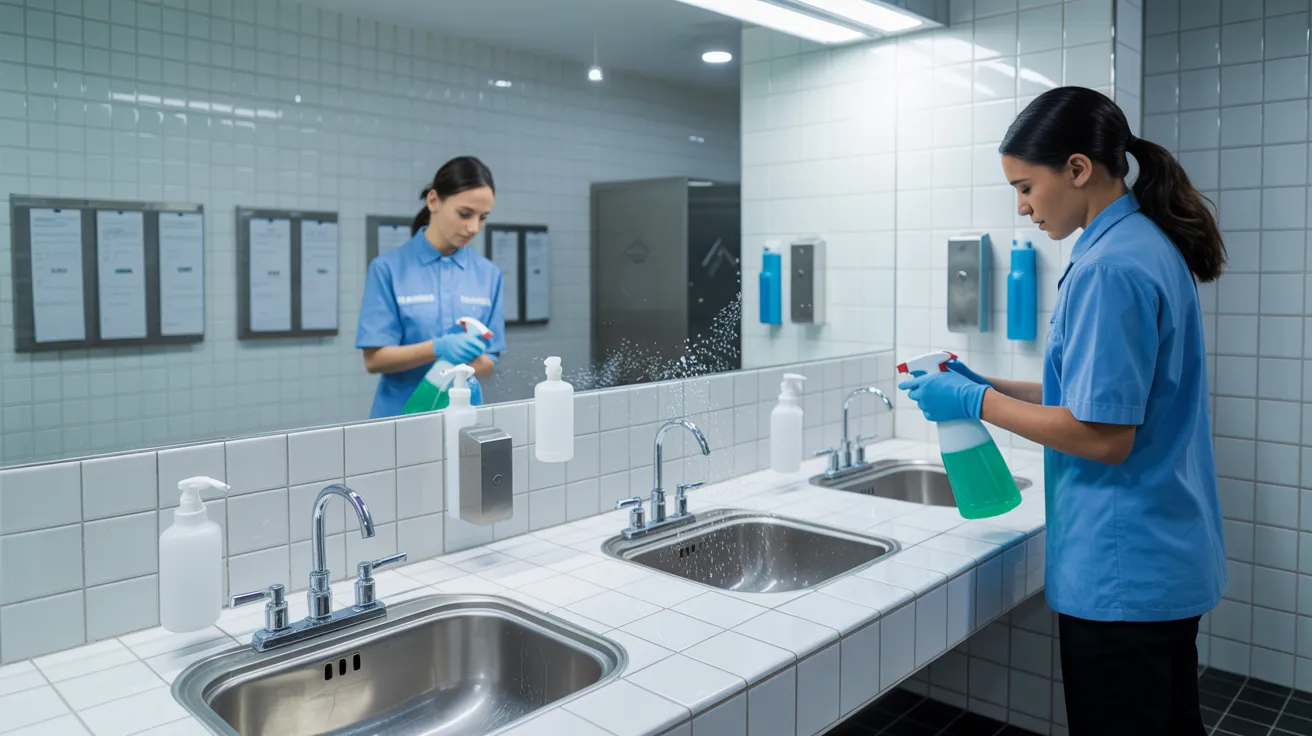
For restroom sanitation, cleaners sanitize touchpoints, fixtures, partitions, dispensers, and waste containers, then refill items and eliminate smells. They also service restaurant moprooms, where chemical storage, sink hygiene, and drainage conditions can affect sanitation compliance and staff safety daily.
Food Safety Cleaning Significance for Brampton Businesses
In Brampton, you must copyright sanitary cleaning practices to satisfy regulatory standards and pass inspections. You also minimize cross-contamination by cleaning and sanitizing food-contact surfaces, equipment, and high-touch areas correctly. Most importantly, you help protect community wellness by reducing the chance of food poisoning in your establishment.
Sanitary Standards Adherence
Brampton food operations must comply with stringent health requirements, so sanitation practices is key to adhering to health codes, defending customers, and sidestepping penalties. You must maintain sanitized food contact points, verifiable cleaning logs, safe chemical management, and auditable operational standards that meet municipal and provincial inspection expectations.
Strong cleaning records aid you in showing due diligence during compliance reviews and establishing your procedures follow standardized patterns that are replicable and monitored.
Cross-Contamination Prevention
Adhering to regulatory guidelines requires your expertise in stopping cross-contamination throughout routine preparation and sanitation work. You need to separate raw ingredients from ready-to-eat foods, sanitize work stations after each task, and store cleaning supplies separately from food. Organized systems minimize contamination events and maintain ongoing regulatory adherence.
Implementing allergen separation helps ensure major allergens don't touch shared surfaces, containers, or equipment. Deploy dedicated cutting boards, color-coded tools, and strict utensil labeling so workers don't combine products during preparation or service. Enforce hand hygiene following raw meat, seafood, eggs, or allergen-containing products. Replace wiping cloths regularly, and validate disinfectant levels using test strips. When your team learns these guidelines every shift, you establish a more hygienic, safer workplace that meets Brampton's food safety expectations regularly.
Public Health Protection
If food safety cleaning declines, you don't merely face potential inspection issues—you boost the probability of foodborne illness harming customers, staff, and the broader Brampton region. You also weaken your role in safeguarding community wellness, especially in busy food facilities where pathogens travel quickly through surfaces, equipment, and touchpoints.
You need sanitation procedures that remove soils, sanitize correctly, and confirm effectiveness. That means following exposure periods, using approved disinfectants, documenting schedules, and educating employees to meet regulatory standards. These controls support disease prevention by reducing pathogens before they reach food or hands. In Brampton, strong sanitation protects vulnerable populations, limits outbreak potential, and helps you demonstrate due diligence. When you clean to standard, you don't just meet regulations—you substantially decrease danger and support safer food service citywide.
How Does Cleaning Support Food Safety Compliance?
Establishing thorough cleaning protocols enhances food safety compliance by decreasing contamination threats, managing pathogen expansion, and ensuring your facility complies with sanitation requirements under HACCP-based programs and public health regulations. You validate that product-contact areas appear visibly clean and microbiologically controlled, supporting documented preventive controls and inspection readiness.
Comprehensive cleaning additionally enhances allergen prevention by eliminating residues that can cause undeclared allergen exposure. When you combine verified sanitation methods with regulatory training, your staff can adhere to uniform procedures, employ approved chemicals accurately, fill out documentation accurately, and address discrepancies before issues intensify. Systematic cleaning supports product tracking, verifies remediation efforts, and shows due diligence in audits. Additionally, it assists you preserve quality assurance, copyright operational adherence, and reduce the risk of regulatory actions, market recalls, formal complaints, and unnecessary public health risks.
Finding When to Schedule Commercial Cleaning
cleaning routines or between production runs wherever surfaces contacting food, washrooms, and high-touch areas
special events, catering functions, or public events need to arrange cleaning both [[before and following for successful event transition. Log timing, verify that work is completed, and adjust routines when hazards, volumes, or regulations shift
Selecting the Right Brampton Cleaning Experts: Key Considerations
Start by screening providers against food-safe sanitation requirements, not price alone. You should verify that each company understands CFIA, public health, and HACCP-aligned expectations relevant to your facility. Ask for insurance documentation, WHMIS compliance, documented staff training, and supervision practices. Review whether technicians understand contamination prevention, chemical handling, and traceable sanitation records.
You should also assess business dependability and responsibility. Request references from food facilities in Brampton, then examine response times, corrective actions, and communication standards. Confirm the company supports supplier audits and can present audit-ready records when regulators or third parties request evidence. Check whether equipment maintenance is performed, colour-coded tools are used appropriately, and facility-specific risks are recognized. A qualified provider protects compliance, product quality, and your brand reputation.
What does a Food Safety Cleaning Plan encompass?
Write out a framework that defines every sanitation task, standard, and responsibility before production begins. You should include cleaning frequencies, approved chemicals, dilution rates, contact times, tools, and verification methods for each zone, surface, and piece of equipment. Ensure you include pre-operational inspections, corrective actions, and employee training requirements.
Your plan should also tackle prevention of contamination, waste management, pest-control tactics, and scheduled records for facilities, drains, flooring, and food-preparation surfaces. Specify how view details you'll separate raw and ready-to-eat processes, facilitate ingredient tracking, and maintain accurate allergen labeling through validated cleaning between product changes. You should establish accountability, keep signed records, and evaluate results against regulatory standards, HACCP controls, and customer requirements. When gaps appear, modify procedures immediately and instruct staff.
Frequently Asked Questions
Are sanitation providers available for overnight shifts in Brampton facilities?
Yes, you can set up cleaning services to manage nighttime operations in Brampton facilities. You'll arrange nighttime cleaning around production schedules, access requirements, and personnel requirements. Providers generally establish nightshift logistics to prevent disruption, copyright compliance, and log completed work. You should verify response times, oversight, lockout protocols, and waste management before service starts.
Will sanitation professionals respond to hazardous incidents?
Yes, you can locate several Brampton cleaning professionals offering emergency response options. They manage hazardous materials, assess dangers, isolate zones, and execute rapid cleanup to minimize risk and limit operational impact. You should verify response times, certifications, safety measures, and disposal methods. If your facility needs compliance, choose a service that logs events, maintains standards, and supports audits.
Are plant-based disinfectants safe for food-handling equipment?
Yes, natural disinfectants can be appropriate for food-handling equipment if you select items marked food-safe and satisfying regulatory requirements. You should check contact times, dilution rates, and rinsing needs before application. Many plant based formulas reduce chemical burden, but you still need demonstration of efficacy against relevant pathogens. To preserve residue-free areas, you should follow precise manufacturer instructions and validate the disinfectant adheres to food industry regulations.
Can cleaning schedules be adjusted for seasonal variations?
Absolutely, cleaning schedules allow customization for production fluctuations. Revise schedules, staffing, sanitizers, and validation steps to match seasonal workflows while sustaining compliance standards. Lower equipment downtime through planning disinfection surrounding production shifts, maximum output, and equipment use patterns. Additionally update procedural documents, instruction programs, and environmental testing to account for transient threats, additional allergens, or elevated soil levels. Continuous reviews preserve the plan efficient.
Do professional cleaning services train staff on hygiene standards?
Indeed, commercial cleaning providers typically provide staff training on sanitation best practices. Your staff obtains instruction on proper chemical use, exposure durations, preventing cross-contamination, equipment disassembly, and documentation. They typically follow instruction with HACCP, GMP, and CFIA or regional health standards requirements. Many perform sanitation audits to verify compliance, reveal issues, and reinforce corrective actions. This supports you in establish reliable processes, pass inspections, and reduce food safety risks on a daily basis.
Conclusion
When you partner with Brampton commercial cleaning and food safety specialists, you don't just tidy up—you maintain your facility audit-prepared and your standards compliant. From kitchens to processing floors, every clean surface and well-kept corner helps reduce pest intrusion and avoid expensive problems. By scheduling service at the proper frequency and adhering to a detailed cleaning schedule, you protect staff, patrons, and your reputation. In a tightly regulated environment, clean spaces aren't optional—they're fundamental to proper operations.